There's an old saying in India: "The child's feet are visible in the cradle" — the idea that a person's future character and potential can be read in how they behave from earliest childhood. Put simply, there is no real debate about how much creative outlets and play shape who a child becomes.
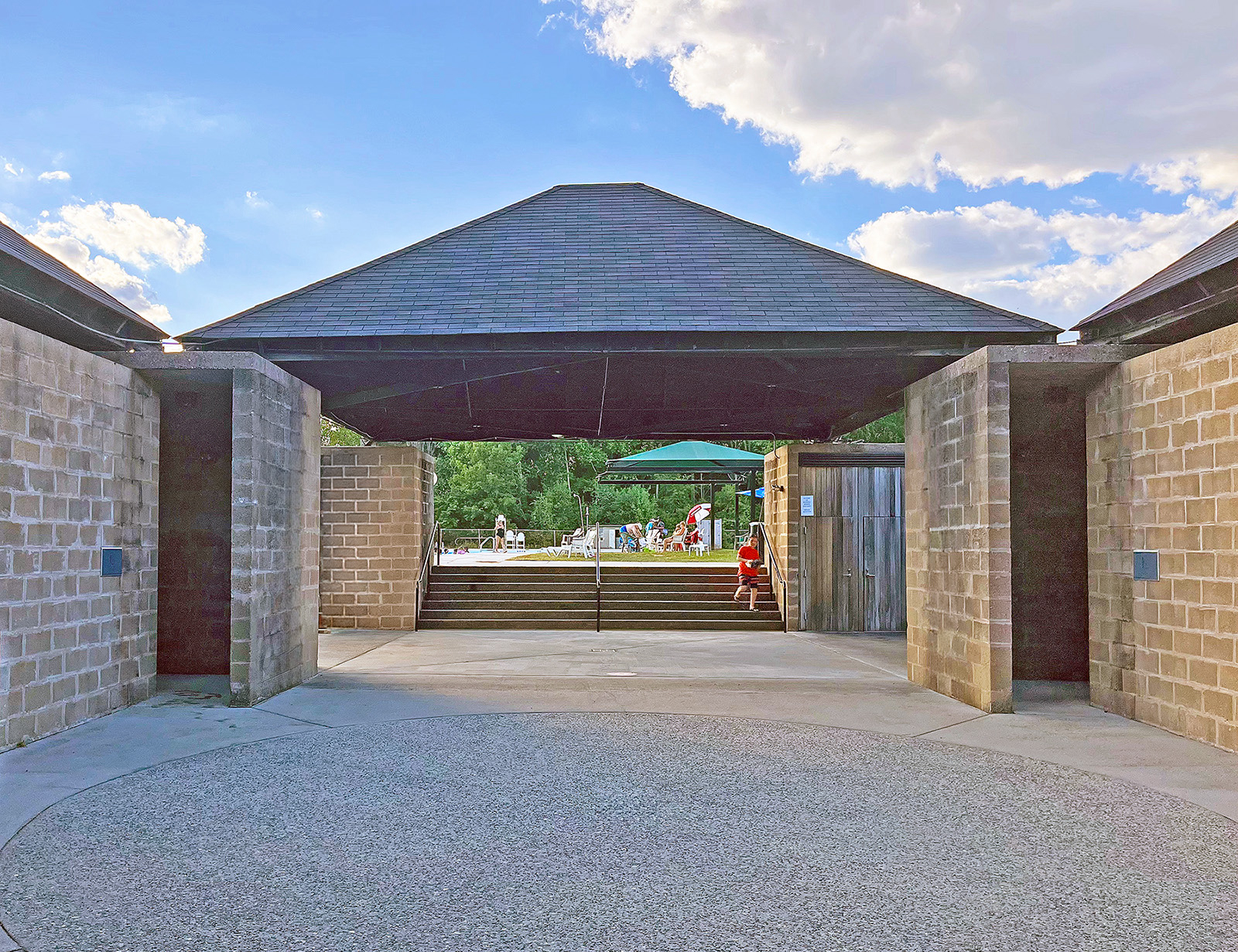
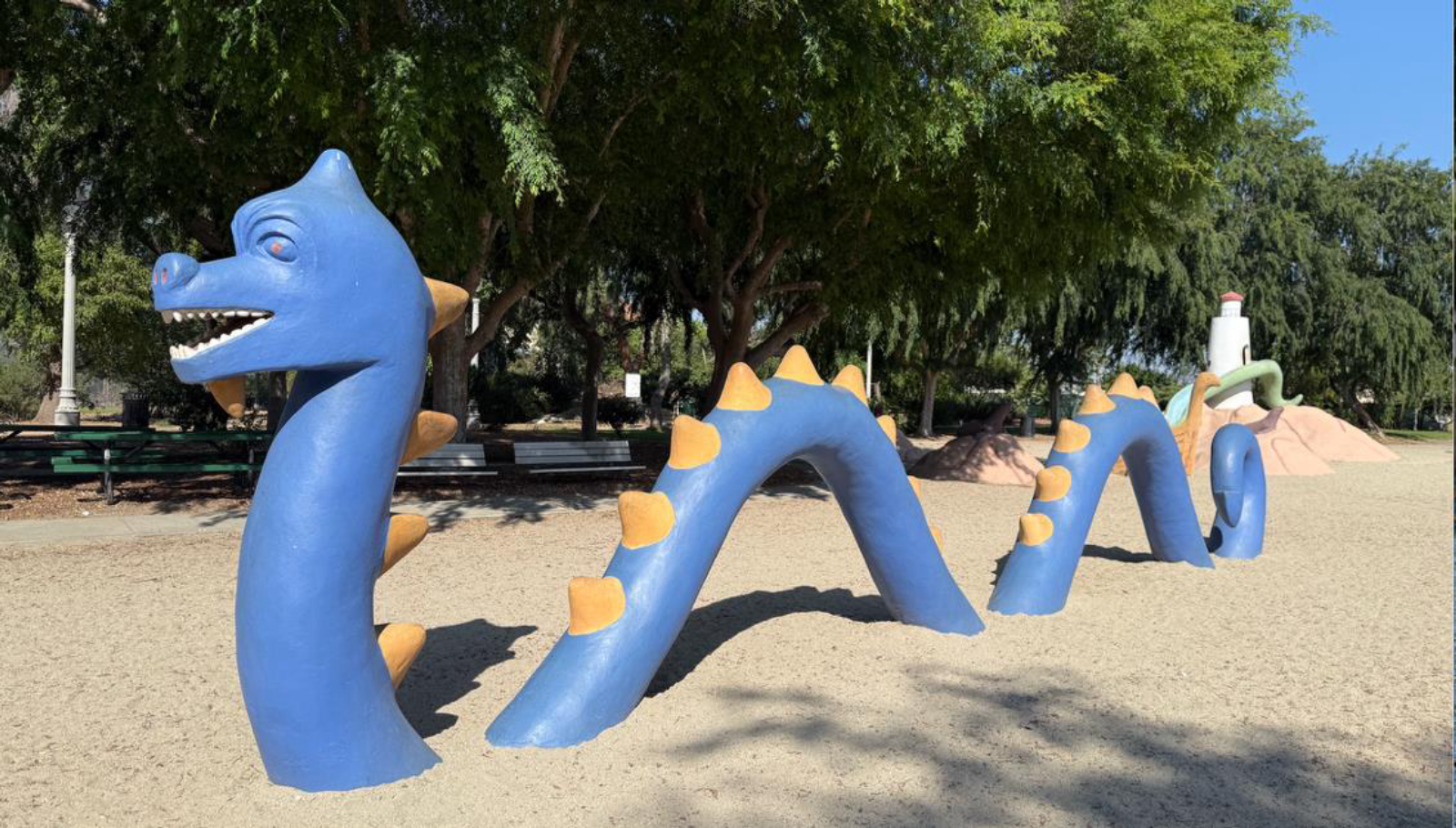
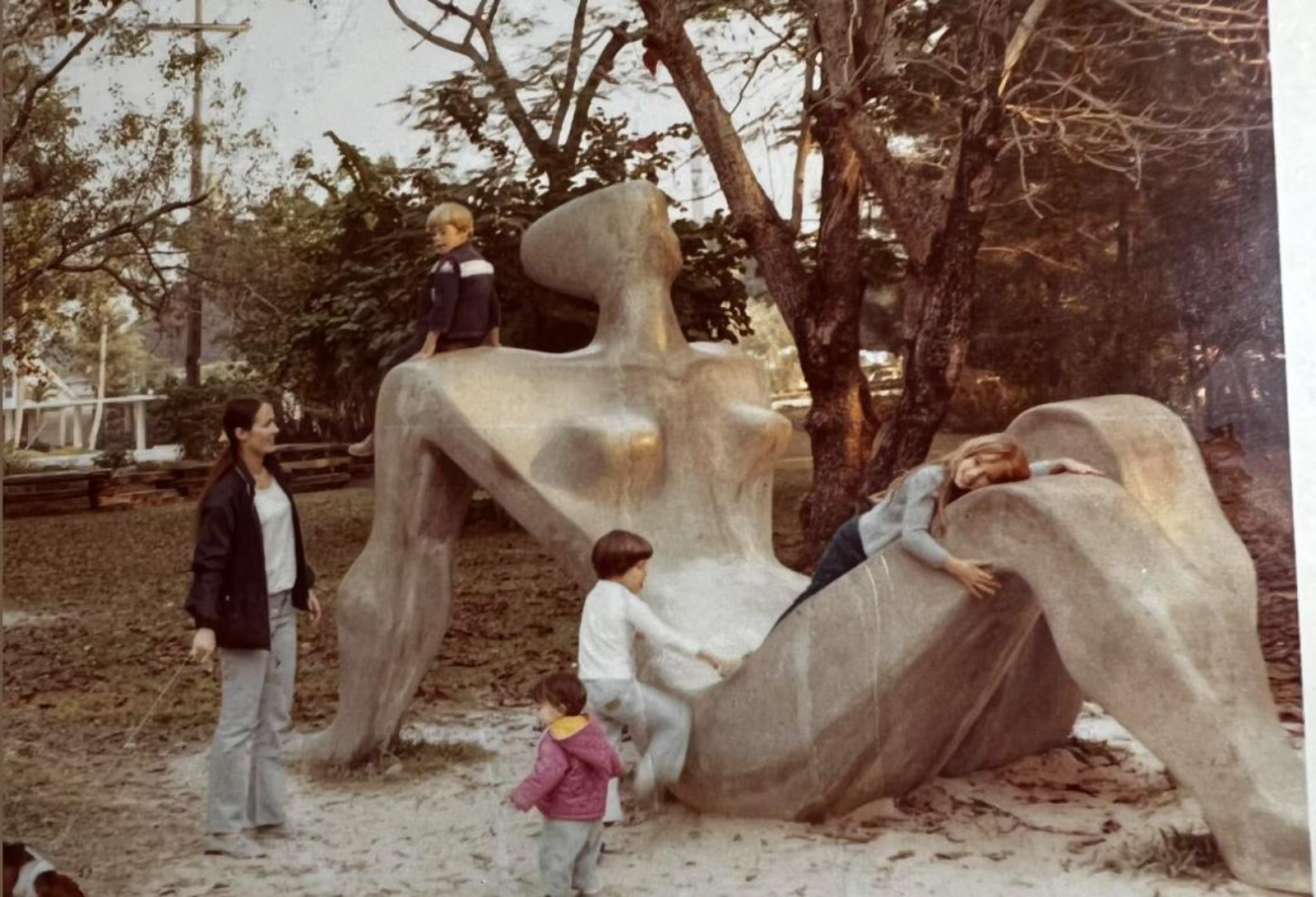
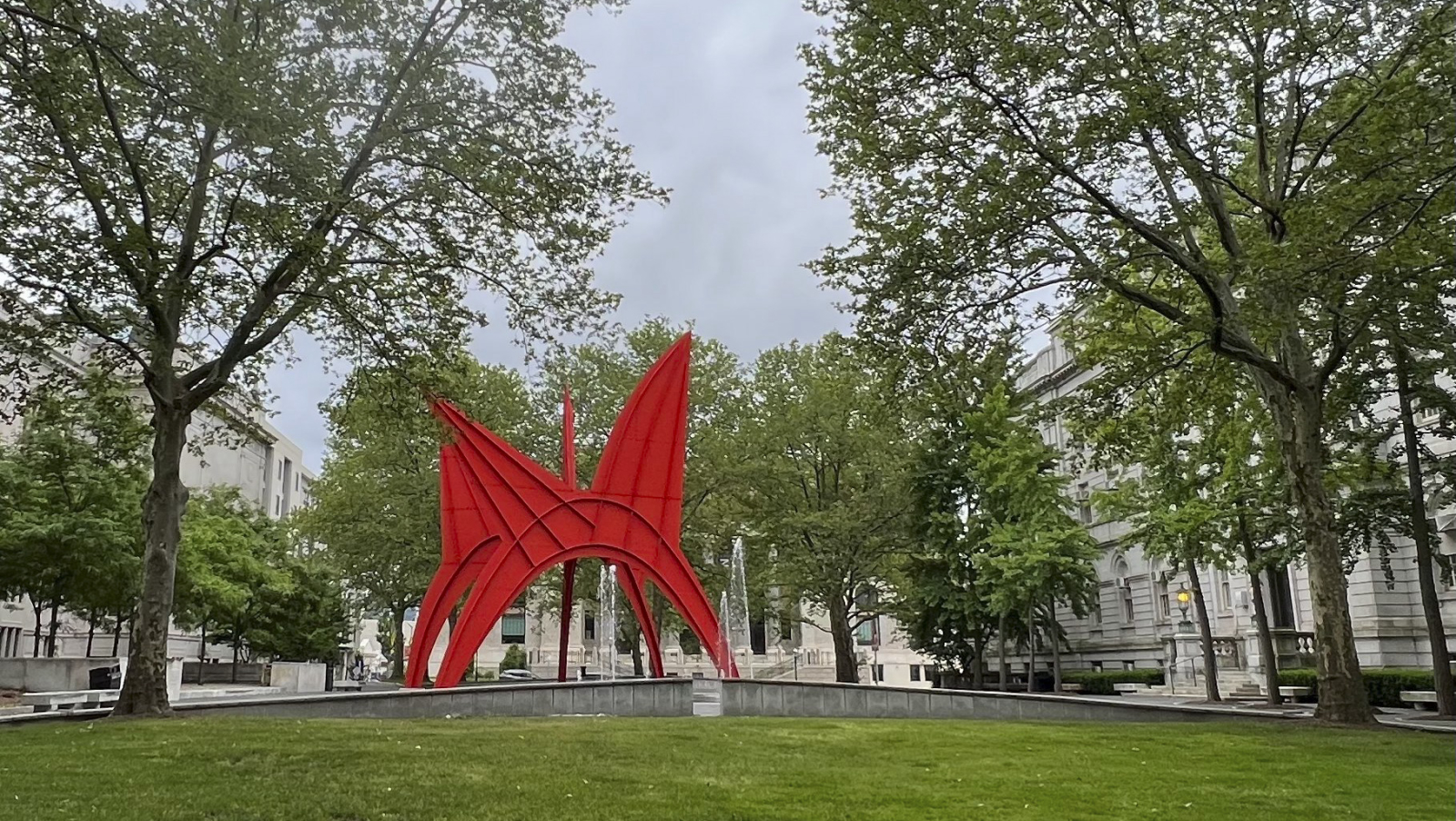
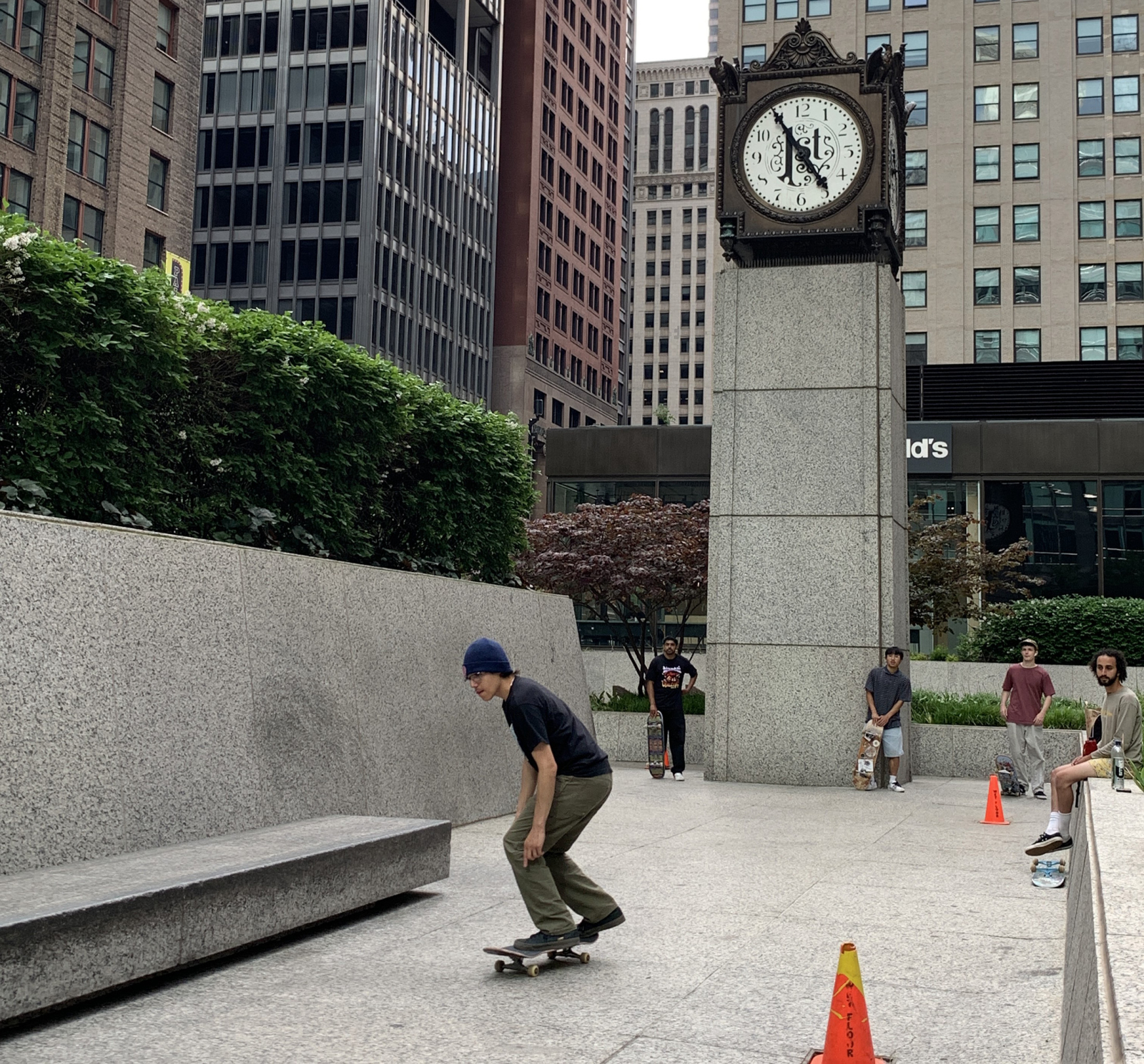
That's the landscape this issue sets out to examine — the parks, plazas, pools, and playgrounds built between 1949 and 1969, when American cities poured design ambition into public leisure with a confidence that's hard to imagine today. And yet, American architectural history hasn't returned the favor. Design critic Alexandra Lange has spent much of her career making the case that the places built for children and communities deserve to be studied with the same rigor as any other architecture. Sculptural playgrounds, adventurous terrain, and recreation centers built to last generations have too often been filed away as minor amenities — work for children, work associated with mothers, work assumed to matter less than buildings for "the major players."
Lange has continuously pushed back on that hierarchy. She is the author of The Design of Childhood: How the Material World Shapes Independent Kids and Meet Me by the Fountain: An Inside History of the Mall, among other publications, and in 2025 she won the Pulitzer Prize for Criticism for a body of work examining how urban design shapes children and families. Her reporting has long tracked the places where young people actually gather — plazas, malls, sidewalks — regardless of whether those spaces were designed with them in mind.
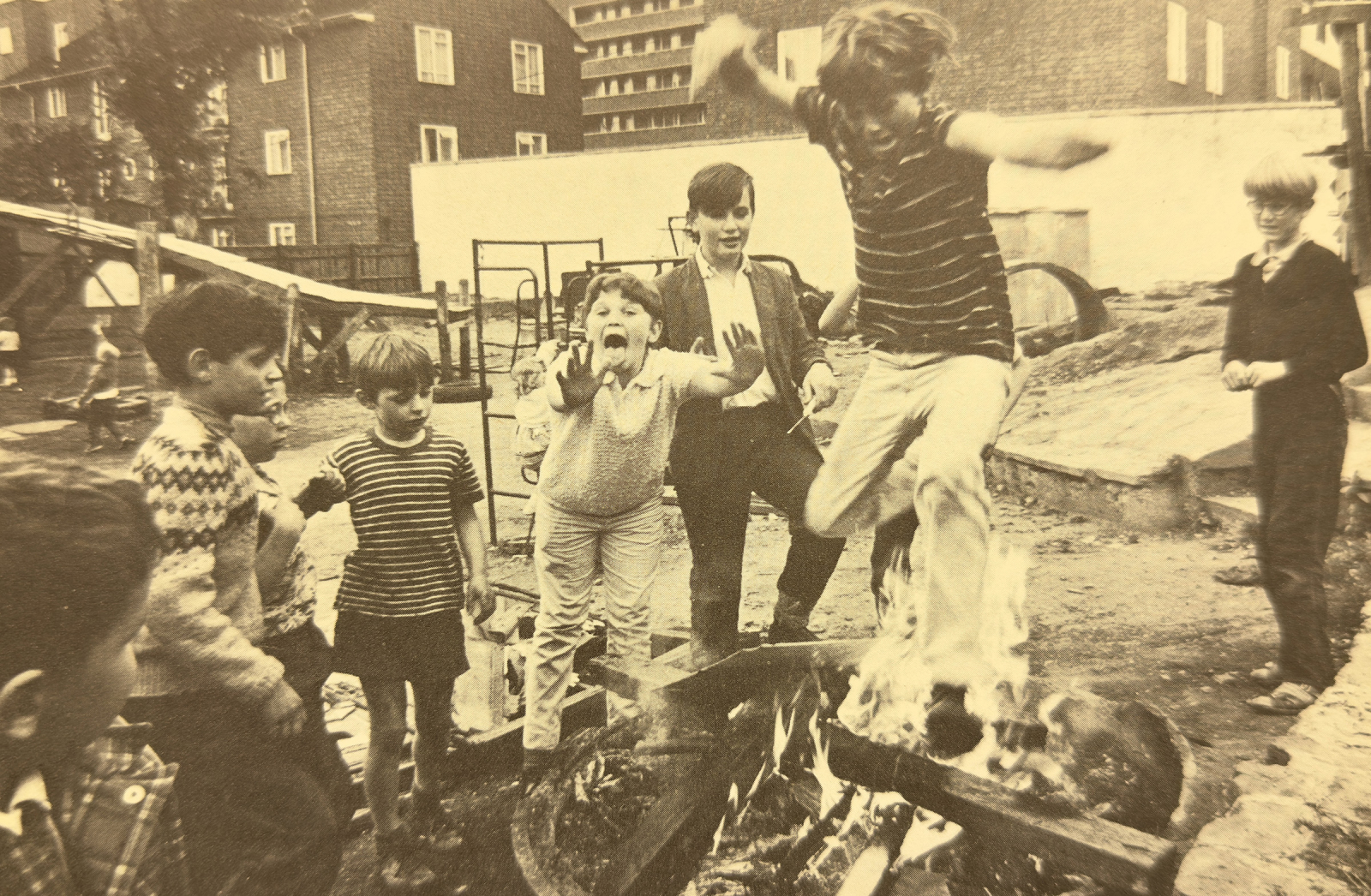
In this conversation, Lange traces the postwar forces that built America's playgrounds and pools, explains why play design has historically been dismissed as women's work, and unpacks how one 1970s lawsuit ended the American experiment with loose, adventurous play spaces.
Recreation and play saw enormous design experimentation between 1949 and 1969 — what was driving that? Postwar optimism, the baby boom, urban renewal money?
Alexandra Lange: Postwar expansion of recreational facilities was a result of the baby boom, government support for suburban expansion via the G.I. Bill and highway extension, and a growing economy that allowed for generous funding of public facilities.
Play spaces from that era often get treated as minor amenities in architectural history. Why do you think that is, given how much design ambition actually went into them?
AL: Sexism. Children are associated with motherhood and the so-called "women's sphere," and design for historically second-class citizens has never been seen as important as that for those assumed to be the major players -- adult men. You can see this pattern even within education design, where architecture for universities is seen as more prestigious than that for kindergartens even though kindergartens arguably have a much greater impact on future outcomes.
Utkarsha Laharia: Reminds me of Crow Island Elementary School in the Chicago suburb of Winnetka, Illinois, designed by Perkins and Will along with Eliel Saarinen and Eero Saarinen. Often considered the first modernist school building in the US, it was built in 1940 and underwent renovation and addition last year in 2025, honoring the historical integrity of the original building. As Zach Mortice rightly puts it for Architect's Newspaper, "With its child-scaled dimensions; rational, near-modular plan; and landscape immersion, Crow Island School is a self-contained learning village, a fragile spell its designers are taking great pains not to break."